Plain Vintage Paper Texture Backgrounds: A Designer's Secret Weapon
There’s a certain magic to a page that feels like it has a story. You know the look—that subtle, uneven tone, the faint ghost of a fold, the whisper of age that digital perfection often lacks. Plain Vintage Paper Texture Backgrounds aren't just another set of digital papers; they are a toolkit for injecting history, warmth, and authentic character into your work. This collection provides the foundational canvas that transforms a flat design into something with depth and narrative, making it an essential resource for any creative professional.
The Allure of Authentic Texture
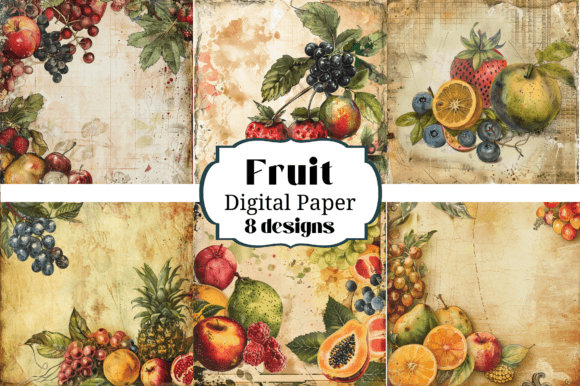
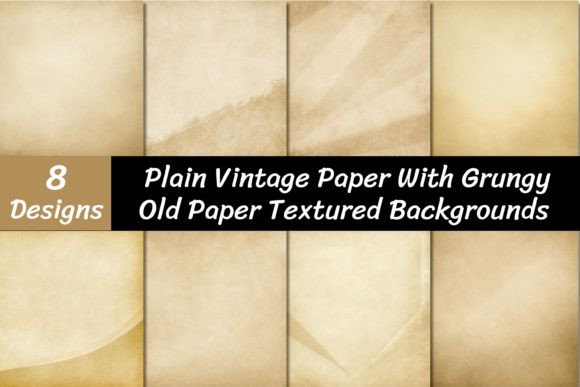
What exactly defines the personality of these backgrounds? Visually, they walk a fine line between subtlety and statement. The "plain" in the title is key—these aren't overwhelmingly patterned or distressed. Instead, they offer a nuanced, grungy old paper textured background that feels organic. Think of the gentle, uneven coloring of aged parchment, the slight mottling that comes from time, and the soft, matte finish that absorbs light rather than reflecting it. The appeal lies in their versatility. They provide a layer of sophisticated imperfection that can make modern typography pop, ground minimalist layouts, or lend instant credibility to vintage-inspired designs.
Where Texture Meets Strategy: Practical Applications
Understanding where to deploy these assets is where their real value shines. For brand identity work, a subtle paper texture can be the secret ingredient in a logo presentation, making a mark feel more tactile and established. Imagine a law firm's letterhead or a boutique bakery's packaging using this as a base—it instantly communicates tradition and care. In editorial design, they are perfect for book covers, especially in genres like historical fiction, poetry, or memoir, where setting the right mood is paramount. The high 3600 x 3600 pixel resolution at 300 DPI ensures they hold up beautifully in print, from posters to business cards.
Digital applications are equally powerful. Web designers can use them as background layers for hero sections or blog post graphics, adding warmth to a site that might otherwise feel cold. Social media graphics benefit immensely; an Instagram quote or a promotional post set against one of these textures stops the scroll because it feels different, crafted. For content creators and bloggers, they're ideal for creating consistent, branded templates for Pinterest pins or podcast artwork. The included 8 digital papers offer enough variety to maintain cohesion across a project without becoming repetitive.
Choosing Your Canvas: A Practical Guide
Not every project calls for a vintage texture, so how do you evaluate the fit? First, consider your audience and message. If you're aiming for cutting-edge futurism, this might not be the right tool. But if your project benefits from warmth, nostalgia, authenticity, or a handcrafted feel, you're on solid ground. The texture should support your visual hierarchy, not compete with it. A heavily textured background might clash with a delicate script font or intricate logo design. Test it early in your process.
When it comes to font pairing, contrast is your friend. The organic, irregular nature of these paper textures pairs exceptionally well with clean, modern sans serif fonts. The combination creates a compelling dialogue between old and new. For a more unified vintage look, pairing with a sturdy, classic serif font can work, but ensure the text remains highly legible—check your contrast carefully. Avoid using overly ornate or handwritten fonts directly on the most textured areas, as readability can suffer.
Finally, a note on practicality. These files arrive zipped, so having unzipping software like WinZip or Winrar ready is a must. The premium font quality and commercial font licensing typical of such design assets make them a worthwhile investment for professionals. By incorporating Plain Vintage Paper Texture Backgrounds into your toolkit, you're not just adding a file; you're adding a layer of narrative potential that can elevate your logo design, packaging design, and overall creative output, ensuring your work feels considered, professional, and rich with character.