Rich Red Radiance: Using Ruby Seamless Patterns
When you are working on a design project that requires a sense of luxury, drama, or deep emotion, color plays the most significant role. While typography often gets the spotlight in branding discussions, the background texture sets the stage for everything else. If you have been looking for a way to inject high-end aesthetics into your work without overwhelming your content, the Ruby Seamless Pattern Backgrounds collection is a design asset that deserves your attention. It is not just a set of red images; it is a toolkit for creating atmosphere.
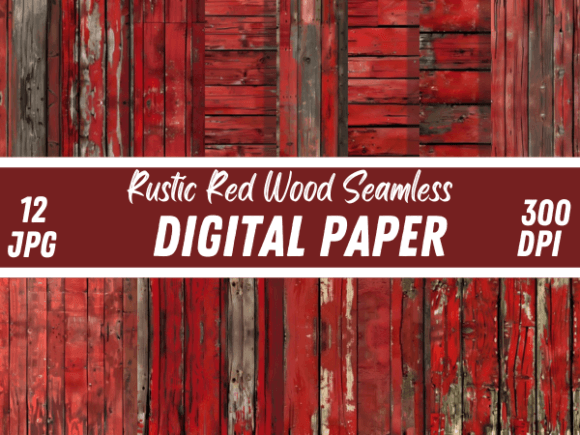
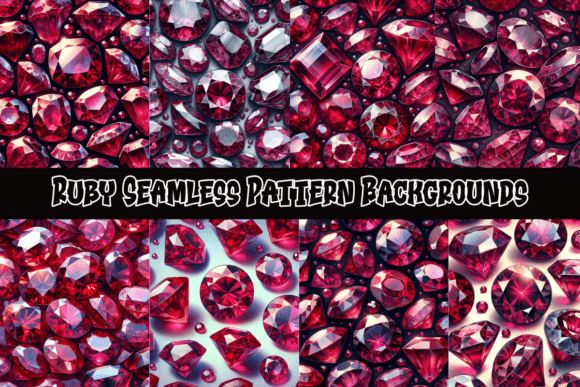
Imagine the deep, translucent glow of a polished gemstone. That is the visual anchor of this collection. These backgrounds move beyond flat, single-tone reds. Instead, they utilize intricate motifs that mimic the facets and depth of actual rubies. The "seamless" aspect is technically vital—it means you can tile these patterns indefinitely across a canvas, a website header, or a fabric print without visible edges or awkward breaks. For a designer, this solves one of the biggest headaches in production: maintaining consistency and flow across large surfaces.
The Visual Character: Beyond Simple Red
Red is a tricky color in design. It can easily veer into "aggressive" or "cheap" territory if the hue is too bright or the application is too heavy. The strength of the Ruby Seamless Pattern Backgrounds lies in their sophistication. The color palette generally leans into deeper, jewel-toned reds—think garnet, crimson, and oxblood—rather than the neon red of a stop sign.
The personality of these designs is undeniably opulent but structured. Depending on the specific pattern you select, you can evoke different moods. Some patterns feature geometric repetition, which feels modern and architectural—perfect for a tech startup wanting to project stability and strength. Others utilize organic curves or floral motifs woven into the red texture, offering a vintage or romantic vibe that works beautifully for wedding stationery or high-end cosmetics branding.
For those of you working with typeface selection, these backgrounds offer a rich canvas. Because the textures are complex, they demand typography that stands up to them. A delicate, thin sans serif font might get lost in the facets of the ruby pattern, whereas a bold display font or a structured serif font will punch through with authority. The patterns act as a counterweight to clean letterforms, creating a necessary tension that makes the design pop.
Strategic Applications for Modern Creators
You might be wondering how to practically apply such a specific design asset. The versatility of the Ruby Seamless Pattern Backgrounds is actually quite broad, provided you understand the context of your project.
Digital and Web Design: In the realm of web design, full-page red backgrounds can be taxing on the eyes. However, these patterns excel as hero section accents, footer backgrounds, or "call to action" banners. For social media graphics, a ruby pattern is an immediate thumb-stopper. It conveys urgency and importance, making it ideal for sale announcements, holiday promotions, or podcast cover art where you need to stand out in a crowded feed.
Branding and Packaging: If you are developing a brand identity for a product that signifies passion, energy, or luxury—such as a boutique coffee roaster, a spicy sauce brand, or a bespoke jewelry line—these patterns are gold (or ruby). In packaging design, using a seamless pattern allows you to create custom tissue paper, box liners, or sticker sheets that look cohesive and expensive. It elevates the unboxing experience, making the customer feel they have purchased something premium.
Editorial and Print: For editorial design, such as magazine covers or book jackets in the mystery or romance genres, these backgrounds set the mood instantly. They also work surprisingly well for internal chapter dividers, providing a visual break that maintains the book's aesthetic. Even for crafters and hobbyists, these files are high-resolution enough to be used in digital scrapbooking or printed on fabric for textile projects.
Pairing Fonts and Managing Hierarchy
One of the most common mistakes I see with creative font usage on textured backgrounds is a lack of legibility. When you use a Ruby Seamless Pattern Background, you are introducing visual noise. Your job as the designer is to create silence amidst that noise so your message can be heard.
Here is a practical approach to font pairing with these assets:
- Contrast is Key: If the ruby pattern is organic and flowing, choose a modern typography style—something geometric and rigid. If the pattern is sharp and geometric, a script font or handwritten font can soften the look.
- Use Knockout Text Wisely: White text on a deep ruby background looks incredibly crisp and high-contrast. This is a safe bet for headlines.
- Overlay Solutions: If the pattern is too busy, don't be afraid to place a semi-transparent shape (like a dark grey or black rectangle) behind your text block. This grounds the display font and ensures the background supports rather than fights the text.
When considering visual hierarchy, use the pattern to denote importance. The most important part of your design—perhaps a logo or a main headline—should have the most "breathing room" away from the busiest parts of the pattern. This guides the viewer's eye naturally from the texture to the message.
Evaluating Fit and Technical Quality
Before you commit to using the Ruby Seamless Pattern Backgrounds in a commercial capacity, you need to evaluate the technical fit. As someone who has worked in logo design and branding for years, I can tell you that resolution matters.
Check the file specifications. Are the files vector-based (SVG or AI), or are they high-resolution rasters (300 DPI JPEGs or PNGs)? For web design, vectors are superior for scalability and load times, but high-res rasters are necessary for print work to avoid pixelation. Ensure the "seamless" quality holds up when you actually tile it in your software. Open the file, duplicate it, and place the copies side-by-side. If you can see the seam, it is not truly seamless, and it will look unprofessional in the final product.
Licensing is another critical checkpoint. If you are a small business owner creating merchandise to sell, or a marketer creating assets for a client, you must ensure the license covers commercial use. Most design assets found on reputable marketplaces include this, but always read the fine print. You want to be sure you can legally use the pattern on products you sell without attribution issues later.
Ultimately, the Ruby Seamless Pattern Backgrounds collection is about adding depth and emotion to your work. It is a versatile tool for designers, entrepreneurs, and creators who want to move away from flat, sterile aesthetics and embrace something with more character. By pairing these rich textures with the right typeface and maintaining strict legibility, you can transform a standard project into something that feels truly crafted and intentional.