Soft Cottage Core Chic Backgrounds: A Visual Retreat
In the bustling digital world, there's a growing desire for spaces that feel calm, authentic, and comforting. This is precisely the feeling evoked by Soft Cottage Core Chic Backgrounds. This collection isn't just a set of images; it's an aesthetic toolkit designed to infuse your projects with a specific, gentle personality. Think of it as a visual deep breath—a blend of rustic simplicity, floral delicacy, and a whimsical, handcrafted charm. The appeal lies in its ability to create an immediate sense of warmth and nostalgia, connecting with audiences who value authenticity and a slower, more intentional pace of life.
Deconstructing the Aesthetic: More Than Just Pretty Pictures
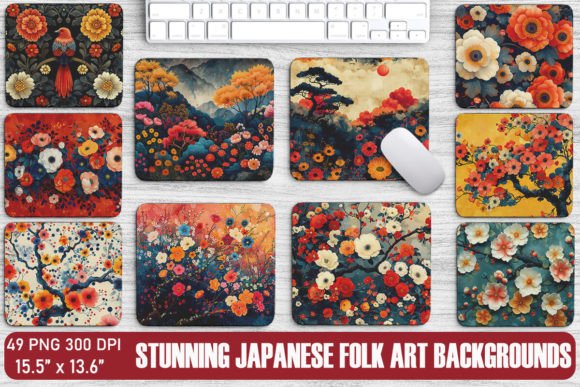
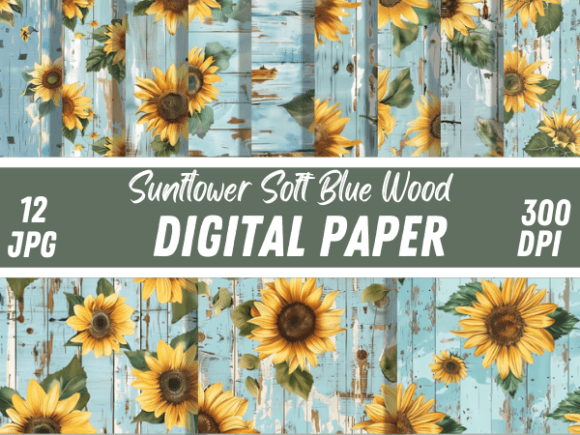
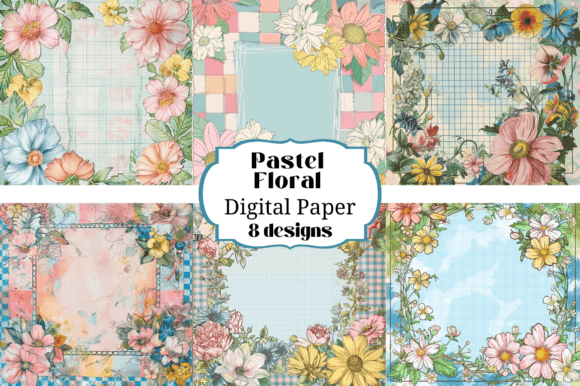
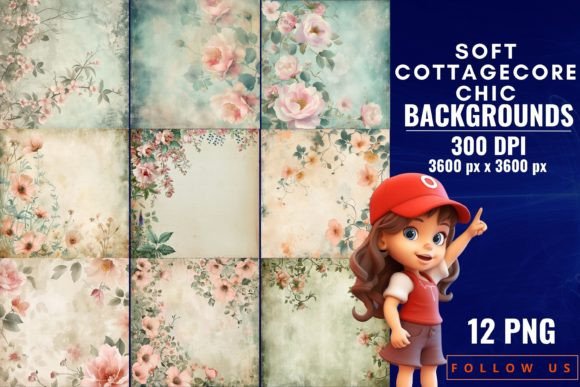
Understanding the components of this style is key to using it effectively. The "cottage core" element provides the foundation: natural motifs like wildflowers, herbs, and gentle wildlife; textures reminiscent of linen, aged paper, or weathered wood; and a color palette drawn from nature—soft creams, sage greens, dusty pinks, and muted blues. The "chic" and "whimsical" aspects elevate it, introducing subtle, dreamlike qualities through soft-focus effects, delicate watercolor washes, and a light, airy composition. This isn't a rough, rustic look; it's refined and polished, making it suitable for professional applications. The result is a versatile design asset that feels both timeless and contemporary.
Where This Style Truly Shines: Practical Applications
The real-world value of these backgrounds is their versatility. For brand identity, they are perfect for businesses that want to convey warmth, craftsmanship, and a personal touch. A local bakery, a handmade cosmetics line, a boutique florist, or a wellness coach can use these backgrounds in their logo design, packaging, and social media graphics to build a cohesive and inviting brand story. In editorial design, they transform blog headers, newsletter templates, and digital magazine layouts, creating a reading experience that feels curated and serene. Web designers can use them as subtle section backgrounds or hero images to set a calming tone for a site, especially for clients in the lifestyle, wedding, or artisanal goods sectors.
For content creators and marketers, these backgrounds are a secret weapon for engagement. They make social media posts, YouTube thumbnails, and podcast covers stand out in a crowded feed by offering a visually restful oasis. The style naturally encourages higher engagement because it feels personal and authentic, fostering a sense of community and trust. In print and personal projects, the applications are equally rich. They can elevate wedding invitations, create beautiful backdrops for photo prints, or serve as charming desktop and phone wallpapers that bring a moment of peace to daily digital life.
Integrating with Modern Typography: A Designer's Guide
The true power of these backgrounds is unlocked when paired thoughtfully with typography. Their soft, detailed nature means they work best as a supporting actor, allowing your typeface to take the lead. Avoid overly complex or ultra-modern display fonts that might clash. Instead, consider these pairings:
- With Serif Fonts: A classic, refined serif font like a modern Georgia or Playfair Display creates an elegant, editorial feel. This pairing is excellent for headings in a lifestyle blog or the main text on a wedding website, where the background provides texture without overwhelming the readable content.
- With Sans Serif Fonts: A clean, geometric sans serif such as Montserrat or Lato offers beautiful contrast. The simplicity of the font grounds the whimsy of the background, resulting in a look that is both contemporary and approachable. This is ideal for business cards, product labels, and modern web design where clarity is paramount.
- With Script or Handwritten Fonts: Use these sparingly for maximum impact. A delicate script font for a monogram or a short headline can amplify the romantic, personal vibe. However, pairing a detailed script with a detailed background can reduce readability, so ensure there's ample contrast in scale and color.
A Checklist for Effective Use
Before you dive in, consider this practical guidance. First, evaluate project fit. Does your project's message align with themes of comfort, nature, and authenticity? This style might not suit a tech startup or a high-energy fitness brand. Second, test for readability. Always place your text over the least busy part of the background or use a subtle semi-transparent overlay to ensure legibility. Third, mind the hierarchy. Use the background to support, not dictate, your visual hierarchy. Your headlines, body copy, and calls-to-action should still be clearly defined. Finally, for any commercial use, review the licensing of the specific collection to ensure it covers your intended application, whether it's for client work, merchandise, or digital products.
Ultimately, Soft Cottage Core Chic Backgrounds offer more than decoration; they provide a mood and a story. By understanding their visual language and applying them with thoughtful typographic choices, you can create designs that don't just catch the eye but also resonate emotionally, building a deeper connection with your audience.