The Timeless Allure of Music Sheet Backgrounds in Design
There’s an undeniable quiet power in a piece of sheet music. It’s a visual language that speaks of discipline, creativity, and emotion all at once. When used as a background, this intricate notation transforms from a functional tool into a rich, textured canvas. Music Sheet Backgrounds are more than just a pattern of notes and staff lines; they are a direct line to a feeling—a sense of classical elegance, artistic depth, and harmonious order. For designers and creators, this aesthetic asset offers a unique way to layer meaning and sophistication into a project without saying a word.
More Than Notes on a Page: Understanding the Visual Character
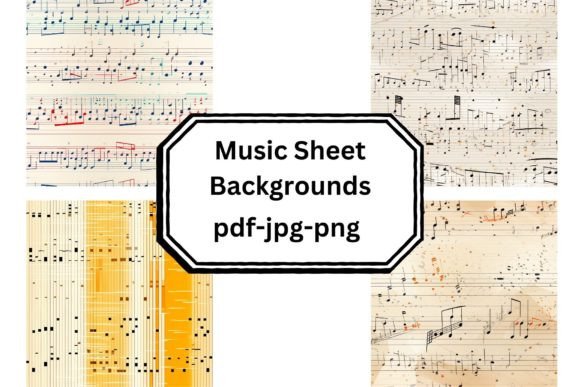
The core appeal of a Music Sheet Background lies in its inherent personality. The visual rhythm created by the repeating staves, the precise placement of notes, clefs, and dynamic markings, builds a structured yet organic pattern. This isn't random decoration; it's a representation of composed thought. The classic black-and-white contrast is foundational, providing a high-contrast, timeless palette that feels both professional and artistic. This monochromatic scheme ensures the background supports rather than overwhelms your foreground content, whether that's bold typography, a product image, or a call-to-action.
Visually, these backgrounds can range from the crisp, clean lines of modern digital notation to the softer, more textured appearance of aged parchment with hand-engraved marks. This versatility allows them to adapt to different project moods. A clean, sharp sheet music pattern might lend a contemporary, almost minimalist feel to a tech startup's branding related to audio engineering. Conversely, a slightly weathered, vintage sheet music texture can evoke nostalgia and warmth, perfect for a café branding itself around live acoustic sessions or a heritage craft business. The style communicates a narrative of meticulous craftsmanship, echoing the dedication required to both compose and design.
Strategic Applications: Where Music Sheet Backgrounds Truly Sing
Knowing where to deploy this asset is key to unlocking its full potential. Its applications span far beyond the obvious music industry connections, though those remain a natural fit. For musicians, bands, and concert promoters, it’s an authentic choice for posters, album art, and social media headers, immediately establishing genre and tone. Educational platforms teaching music theory can use it to create engaging worksheets, course thumbnails, or video backgrounds that reinforce the subject matter.
Beyond music, its utility is surprisingly broad. In editorial design, it can add a sophisticated backdrop for feature articles on culture, history, or the arts. A book cover for a novel set in the classical music world or a memoir of a composer would find immediate resonance with this background. For packaging design, think of high-end artisanal products—specialty teas, crafted liqueurs, or luxury stationery—where the background suggests a blend of tradition, artistry, and refined taste. It tells a story of a product that is composed, not just made.
In the digital realm, Music Sheet Backgrounds excel in creating immersive environments. Website hero sections for creative agencies, portfolios for artists, or backgrounds for webinar slides can gain depth and character. For social media graphics, especially on platforms like Instagram and Pinterest, these backgrounds provide a visually consistent and thematic base for quotes, event announcements, or product features. They work beautifully for bloggers and content creators in niches like lifestyle, education, and wellness, where themes of rhythm, balance, and harmony are relevant. A wellness coach might use it to symbolize finding one's rhythm in life.
Integrating the Asset: Practical Guidance for Effective Use
Simply downloading a music sheet background isn't enough; thoughtful integration is what separates a gimmick from a great design. Here’s how to approach it with a professional mindset.
Evaluate the Project Fit: Does your project's core message align with the values embedded in this background—artistry, structure, heritage, emotion? It’s a powerful choice for brands positioning themselves as creative, knowledgeable, or rooted in tradition. It might feel incongruent for a brand built on extreme simplicity or hyper-modern, minimalist aesthetics unless used in a very subtle, textured way.
Master the Layering: The background's primary role is to support. This means ensuring sufficient contrast and readability for your foreground text and elements. Use overlays strategically. A semi-transparent white or dark overlay can mute the background's intensity, allowing bold sans-serif fonts or striking imagery to pop. Play with blending modes like Multiply or Soft Light in your design software to integrate the texture more organically.
Font Pairing is Crucial: The right font pairing will elevate your design. The structured, often serif-based nature of the music notation pairs beautifully with a clean, modern sans serif font for body text, creating a pleasing contrast between the decorative background and functional text. For headlines, a refined serif font can echo the classic feel, while a tasteful script font can add a personal, human touch—just ensure it remains legible. Avoid overly ornate or handwritten fonts that might compete with the background's intricate details.
Consider the Source and Licensing: As with any design asset, sourcing matters. Look for high-resolution files that won't pixelate in print. Pay close attention to the license. Is it for personal use only, or does it include a commercial license for client work and merchandise? Reputable sources will be clear about this. A premium font or background pack often comes with more versatile licensing and better quality.
Test Across Contexts: Always view your design in context. A background that looks stunning on a large monitor might become a busy distraction on a mobile screen. Print a test proof to see how the texture reproduces. Ensure the pattern doesn't create unintended moiré effects or visual vibrations. The goal is for the music sheet background to feel like a natural, supportive layer of your brand identity, not an afterthought.
Ultimately, Music Sheet Backgrounds offer a wellspring of creative possibility. They allow you to conduct a visual symphony where every element plays its part. By choosing them intentionally and applying them with care, you can compose designs that are not only beautiful but also deeply resonant, striking a chord with your audience that lingers long after the first glance.