Tie Dye Rainbow Backgrounds Patterns: Your New Creative Toolkit
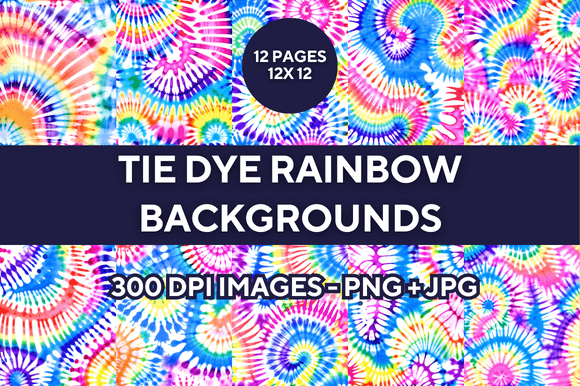
There’s a reason certain visuals stop us in our tracks. A well-crafted background isn’t just empty space; it’s the stage for your entire project. The Tie Dye Rainbow Backgrounds Patterns collection is exactly that kind of stage—a vibrant, energetic foundation built for creators who need more than a simple gradient or solid color. This set of 12 high-definition images delivers the organic, flowing energy of classic tie-dye with a modern, digital precision that works across countless applications. Each pattern is a burst of color, rendered at 300 DPI and sized at 12x12 inches (3600px x 3600px), giving you the resolution and flexibility for both digital screens and high-quality print. It’s a design asset that feels both nostalgic and fresh, offering a personality that’s hard to replicate with standard typefaces or generic stock imagery.
Understanding the Visual Language of These Patterns
What makes these backgrounds distinct is their balance of chaos and cohesion. Unlike a simple color overlay, a true tie-dye effect has depth—swirls that pull the eye, color bleeds that feel natural, and a spectrum that moves from one hue to the next with an almost organic rhythm. This collection captures that. The "Spiral Spectrum Rainbow" variety, for instance, often features a central vortex of color that radiates outward, creating a natural focal point. The "Rainbow Backgrounds Patterns" may offer more linear or burst-style arrangements. The key takeaway is that they aren’t flat. They have texture, movement, and a tactile quality that suggests something handmade, even though they’re digitally perfected for consistency.
This personality is crucial. It’s playful, energetic, and youthful without being childish. It speaks to creativity, freedom, and individuality. For a brand, this isn’t just a decorative choice; it’s a statement. It can signal that a company is innovative, approachable, and unafraid of bold expression. However, that very strength requires careful consideration. A background this vibrant can easily overwhelm content if not used with intention. It’s best suited for projects where the background is meant to support and energize the foreground message, not compete with it. Think of it as the accent wall in a well-designed room—it sets the tone, but the furniture and art (your text, images, and logos) still need to command attention.
Where These Backgrounds Truly Shine
Practical application is where this bundle proves its value. Its versatility is one of its greatest assets. Here’s how different professionals can leverage it:
For Branding and Marketing: A startup targeting a Gen Z or millennial audience could use these patterns in social media graphics, Instagram Stories, or TikTok backgrounds to instantly convey energy and trend-awareness. They work exceptionally well for product launches, sale announcements, or any campaign centered on celebration and excitement. A marketing team might use a subtle, desaturated version of a tie-dye pattern as a website hero section background, with a strong serif font or clean sans serif font overlaid in white for high contrast and readability. The pattern adds depth without distracting from a clear call-to-action.
For Digital Content and Publishing: Bloggers, podcasters, and YouTubers can use these as channel art, thumbnail backgrounds, or podcast cover art. The immediate visual recognition of a colorful spiral or rainbow tie-dye can help with brand consistency across platforms. For digital product creators—those selling planners, worksheets, or online courses—incorporating these patterns as section dividers, header backgrounds, or printable paper textures can add significant perceived value and a cohesive, branded look to their PDFs.
For Print and Physical Products: The 300 DPI, 3600x3600 pixel specifications are critical here. This isn’t just a web resource. A graphic designer can confidently use these for packaging design for a fun, artisanal product line—think custom stationery, craft kits, or gourmet snacks. A small business owner could create unique business cards with a patterned back, or design event posters for music festivals, community fairs, or youth-oriented conferences. The non-transparent background in the PNG files ensures the colors remain rich and saturated, which is essential for print where ink coverage and color accuracy matter.
Strategic Integration: Making the Patterns Work for You
Using a powerful design asset like this effectively is about strategy, not just decoration. Here’s a practical guide:
- Evaluate Project Fit First: Before you even open the file, ask: Does this align with my project’s mood and audience? A legal firm’s annual report? Probably not. A fitness influencer’s new workout program launch? Absolutely. The tie-dye aesthetic carries specific cultural connotations. Ensure they match your brand identity.
- Master Font Pairing: This is non-negotiable. A complex background demands typographic clarity. Avoid overly decorative script fonts or intricate handwritten fonts for body text. Instead, pair the patterns with a sturdy, legible display font for headlines and a clean, simple sans serif font for paragraphs. High contrast is your friend—white or very dark text (like deep navy or charcoal) often works best. Test different combinations at actual size to ensure readability.
- Use the Bundle’s Variety: Don’t just pick one favorite image. Use different patterns from the set to create visual hierarchy. A more vibrant, detailed spiral might be perfect for a hero image, while a softer, more blended rainbow gradient could work as a subtle background for a section of text. This creates consistency with variation, a hallmark of professional editorial design.
- Consider Color in Context: While the backgrounds are colorful, you can use design software to adjust the saturation or overlay a semi-transparent color filter to better match your specific brand palette. This allows for customization while retaining the unique texture of the tie-dye effect.
- Leverage for Social Media Graphics: These patterns are instant scroll-stoppers on platforms like Instagram and Pinterest. Use them for quote graphics, announcement posts, or story backgrounds. They are particularly effective for creating a recognizable and cohesive grid aesthetic that helps with audience engagement and brand recall.
Ultimately, the Tie Dye Rainbow Backgrounds Patterns bundle is more than just a set of pretty pictures. It’s a versatile component of a modern creative toolkit. It offers a way to inject personality, energy, and a sense of handcrafted quality into digital and physical projects alike. By understanding its visual language and applying it with strategic intent—mindful of font pairing, audience, and context—you can transform it from a simple background into a core element of your project’s visual story and brand recognition. It’s a resource designed for creators who value both aesthetic impact and practical utility.