Green Rustic Wood Distressed Backgrounds: A Designer's Guide
There's a particular kind of magic in materials that tell a story. A weathered barn door, a faded park bench, the floor of an old workshop—these surfaces carry an authenticity that new materials simply can't replicate. For digital creators, capturing this time-worn, nostalgic aesthetic is often the key to adding soul to a project. That’s precisely the role filled by a well-crafted set of Green Rustic Wood Distressed Backgrounds. This isn't just another digital paper pack; it's a toolkit for building atmosphere.
Understanding the Aesthetic: More Than Just a Pattern
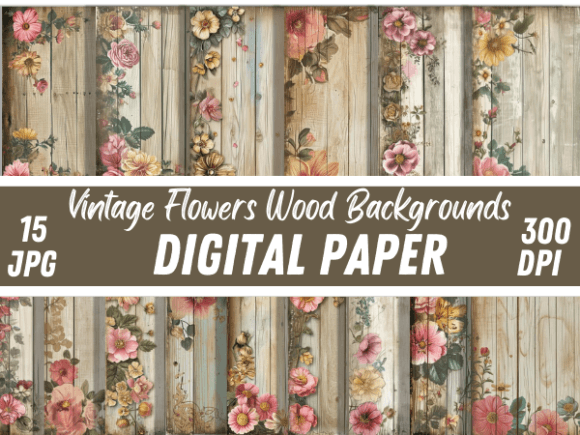
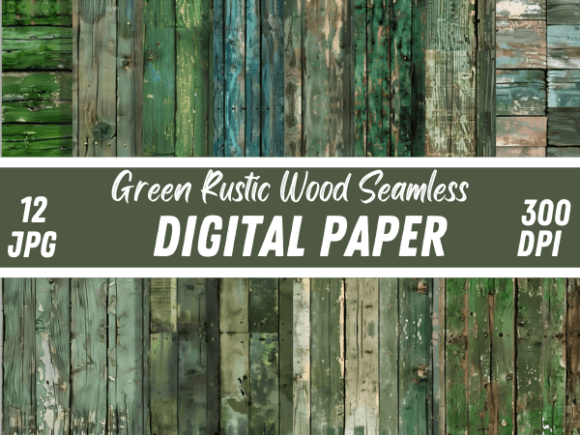
At its core, a Green Rustic Wood Distressed Background is a digital asset designed to mimic the look of aged, painted, or natural wood with a prominent green hue. The visual characteristics go beyond simple color. You're looking at a complex layering of textures: the pronounced grain of the wood, the subtle cracking and peeling of paint, and the soft, faded patina that suggests years of exposure to the elements. The "distressed" and "antique" quality is crucial—it introduces a sense of history and imperfection that feels organic and handcrafted.
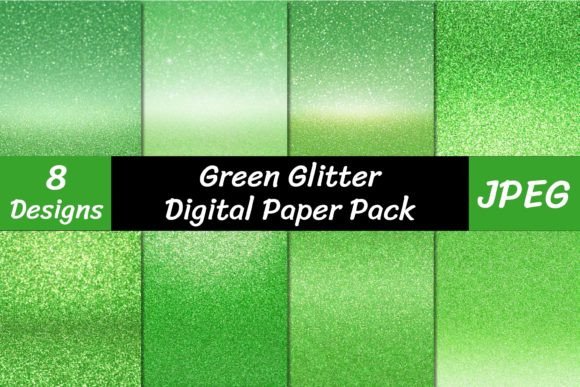
The personality of this typeface of background is one of quiet strength and nostalgia. It evokes a shabby chic, farmhouse, or vintage industrial vibe without being overly literal. The green tone itself can vary, from deep, moody forest greens to softer, sage or mint hues, each carrying a different emotional weight. The seamless, repeatable nature of these patterns means they can be scaled to any size without visible seams, making them incredibly versatile for both small scrapbooking elements and large backdrops.
Where This Rustic Texture Truly Shines
The practical applications for a Green Rustic Wood Distressed Background are vast, touching nearly every corner of the creative and commercial landscape. For designers and brand strategists, this texture is a powerful tool for establishing a specific brand identity. A artisanal food brand, an outdoor apparel company, or a boutique home décor shop can use it to instantly communicate values of authenticity, durability, and a connection to nature. It becomes part of the brand's visual language, used consistently across logo design elements, packaging design, and social media graphics.
In the realm of editorial design and publishing, these backgrounds are a secret weapon. They make exceptional book covers for genres like historical fiction, mystery, or romance, instantly setting the tone. Interior pages for planners, journals, or magazines gain a tactile, premium feel. For web design, a textured wood background can be used as a full-page backdrop for a landing page or as a subtle section divider, adding depth and preventing the sterile feel of a flat, single-color site. The key is to use it with intention, ensuring it enhances rather than overwhelms the core content.
For crafters and hobbyists, the value is immediate and tangible. This digital paper set is the foundation for countless projects. It’s perfect for creating custom wrapping paper, unique greeting cards, and personalized invitations for weddings or birthdays. The high 300 DPI resolution and 3600x3600 pixel dimensions mean the prints are sharp and detailed, whether you're making a wall art print, a mug wrap, or decals for a tumbler. The texture translates beautifully to physical products via sublimation or iron-on transfer, allowing for truly one-of-a-kind DIY crafts.
Integrating the Texture: Practical Considerations
Choosing to use a Green Rustic Wood Distressed Background is the first step; integrating it effectively is the next. Think of it as a foundational layer in your design stack. Its strong visual personality means it works best when paired with cleaner elements. For typography, consider pairing it with a clean sans serif font for body text to ensure readability. A bold, simple serif font or even a elegant script font for headlines can create a beautiful contrast, where the textured background makes the crisp letterforms pop.
When evaluating a pack, look beyond the initial appeal. A good set should offer variety within its theme—subtle shifts in color tone, grain direction, and level of distress. This allows for visual consistency across a project without monotony. Always test the pattern at the scale you intend to use it. A texture that looks perfect as a small card background might become visually noisy when stretched across a full backdrop. Adjusting opacity or layering it with a semi-transparent color overlay can help modulate its intensity.
Finally, remember the practicalities. These are digital papers delivered in JPG format. While they are incredibly versatile, the final output will always depend on your printer's quality, paper choice, or screen calibration. Colors may vary slightly from what you see on your monitor. For commercial use, always verify the licensing of the design assets you purchase to ensure they cover your intended application, whether it's for client work or products you plan to sell.
In a digital world that often prioritizes the sleek and the new, the enduring appeal of rustic, weathered textures offers a powerful counterpoint. A thoughtfully selected Green Rustic Wood Distressed Background set is more than just a collection of files; it's a means to inject history, character, and a tangible sense of place into your creative work. It’s about building a bridge between the digital canvas and the imperfect, beautiful world we actually live in.