Watercolor Sunset Backgrounds: A Designer's Guide to Serene Visuals
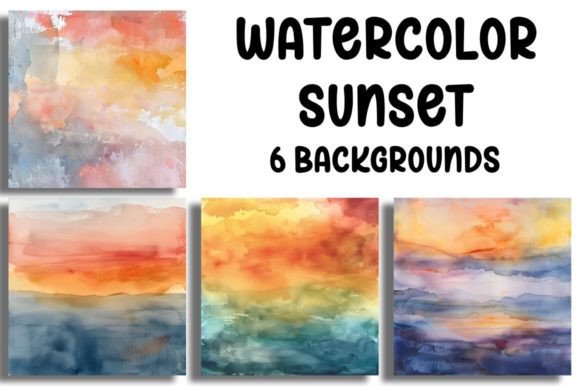
There’s a specific quality to a watercolor sunset that photography can’t quite capture. It’s the soft bleed of one color into the next, the intentional texture of the paper showing through, the feeling of a moment painted rather than just recorded. This is the essence of the Sunset Serenity Abstract collection. It’s not just a set of six backgrounds; it’s a toolkit for injecting that specific, tranquil warmth into your projects. As a designer, I find these assets invaluable for projects that need to evoke emotion without shouting. They provide a sophisticated, artistic foundation that’s far more nuanced than a standard photo filter.
The Anatomy of a Watercolor Sunset Background
Understanding the visual personality of these backgrounds is key to using them effectively. They are characterized by soft washes and blending textures. Think of the gentle gradients of peach fading into lavender, or coral dissolving into a warm gold. The texture isn’t digital noise; it mimics the grain of cold-press watercolor paper, adding a tactile, organic quality. This style leans into modern typography trends that favor organic, human-made elements over sterile perfection. The overall appeal is one of serenity and artistic charm—they feel curated and intentional, not generic.
From a practical standpoint, these are premium design assets. Their high resolution means the delicate brushstrokes and color blends remain crisp even when scaled for large formats. This quality is non-negotiable for professional work. A pixelated or poorly compressed background can undermine an entire brand identity. Here, the clarity allows you to overlay text, logos, or other graphic elements without the background becoming a muddy distraction. It maintains its role as a supportive canvas, which is the hallmark of a well-crafted visual asset.
Strategic Applications: Where These Backgrounds Shine
The versatility of the Watercolor Sunset Backgrounds is where their real value lies. They are not limited to one niche. Consider these applications:
- Brand Identity & Packaging: For brands in the wellness, beauty, artisanal food, or boutique hospitality spaces, these backgrounds can form the core of a brand identity. They work beautifully for business cards, letterheads, and product packaging, especially for items like candles, soaps, or specialty teas. The aesthetic communicates care, quality, and a connection to natural beauty.
- Digital & Web Design: Use them as hero section backgrounds on websites for a compelling first impression. They are also perfect for creating cohesive social media graphics, Instagram story templates, or email newsletter headers. The key is to pair them with clean, legible typography—a strong sans serif font often works best for contrast and readability.
- Print & Editorial: In editorial design, these backgrounds can elevate magazine layouts, book covers (especially for romance, poetry, or self-help genres), and event programs. For packaging design, they can serve as the wrap for a gift box or the background of a label, making a product feel more luxurious and considered.
- Personal Projects & Crafting: For bloggers, content creators, and crafters, they offer a professional polish. Use them for digital invitations, printable wall art, or as backdrops for product photography. The goal is to create a mood board or a final piece that feels cohesive and artistically driven.
Making It Work: Practical Design Guidance
Choosing and implementing a creative font or background is a strategic decision. Here’s how to approach it with these watercolor assets:
Evaluate the Project Fit. Does your project call for warmth, elegance, and a touch of artistry? If you’re designing for a corporate law firm, this might not be the right fit. But for a yoga studio, a wedding planner, or a indie author, it’s perfect. The personality of the asset must align with the message you need to convey.
Master the Font Pairing. This is critical. The organic, flowing nature of the background demands a typographic counterpoint. Avoid overly decorative script fonts or handwritten fonts for body text, as they’ll compete and reduce readability. Instead, opt for a clean, geometric sans serif font for headlines and body copy. A classic serif font with good contrast can also work for a more traditional, elegant feel. Always test your pairing at the intended size.
Consider the Commercial License. Before using any asset in a commercial project—whether for a client or your own business—verify the licensing. The Sunset Serenity Abstract collection is designed for both personal and commercial use, which is standard for premium fonts and assets. This gives you the freedom to use them across logo design, merchandise, and digital products without legal ambiguity.
Test for Readability and Hierarchy. Place your text over the background and step back. Can you read it effortlessly? The soft colors of a watercolor sunset provide good contrast for dark or white text, but always check. Use the background’s natural flow to guide the viewer’s eye. A wash that fades from darker to lighter can create a natural spot for placing a headline or call-to-action.
Ultimately, Watercolor Sunset Backgrounds are more than just pretty pictures. They are a strategic tool for visual communication. By understanding their inherent style and applying them with intention, you can transform a simple project into one that resonates with depth, tranquility, and professional artistry. They provide the quiet confidence that comes from using a well-designed, high-quality asset.