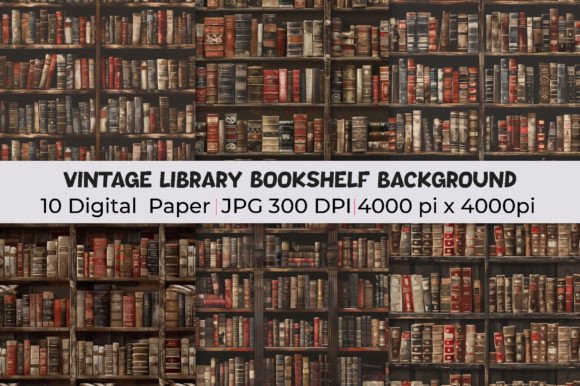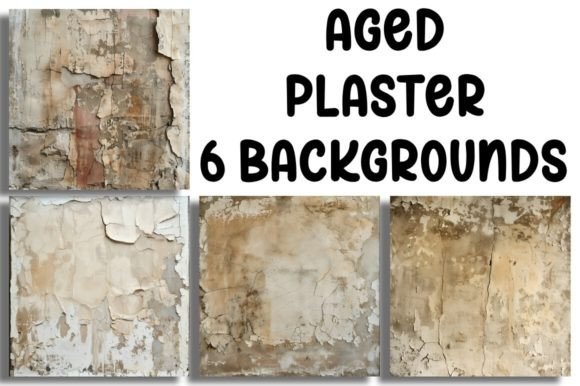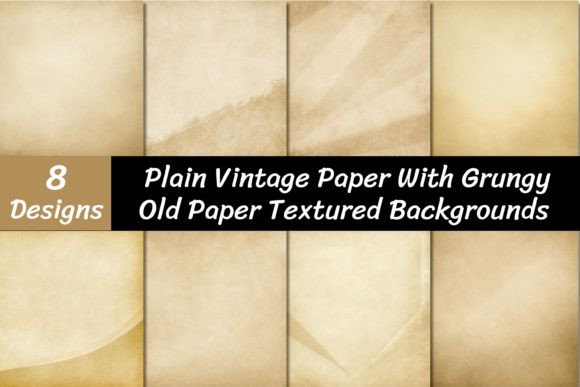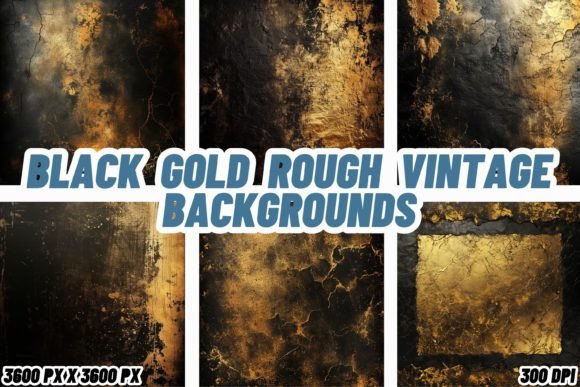
Black Gold Rough Vintage Backgrounds: Timeless Sophistication
In the world of digital design, the search for a background that conveys both history and luxury is a common challenge. You want something that feels established and rich, not sterile or overly modern. This is precisely the balance struck by the Black Gold Rough Vintage Backgrounds collection. It isn't just a set of images; it's a design system built on the powerful contrast between raw, aged textures and the classic gleam of gold. Think of it as the visual equivalent of a well-worn leather book with gilded page edges—the roughness tells a story, while the gold signifies value.
The Anatomy of a Powerful Aesthetic
At its core, this collection is about juxtaposition. The "rough" element comes from textures that mimic aged paper, distressed plaster, or weathered metal. These surfaces have a tactile quality, with subtle cracks, grain, and imperfections that ground the design in reality and add depth. The "black" serves as a dramatic, absorbing canvas that makes other elements pop. Layered onto this foundation are the "gold" accents. These aren't flat, digital yellows. They are designed to resemble metallic leaf, brushed metal, or vintage gilding, catching the light in a way that suggests dimension and opulence.
The personality of these backgrounds is one of quiet confidence. They don't shout; they command attention through sophistication. They carry the weight of history—suggesting tradition, quality, and endurance—while the gold accents inject a modern sense of luxury and prestige. This style is less about fleeting trends and more about creating a lasting impression, making it a versatile design asset for projects where brand perception is paramount.
Strategic Applications: Where Grit Meets Glamour
Understanding where to deploy these backgrounds is key to unlocking their full potential. Their strength lies in applications that require a blend of elegance and character.
For brand identity and logo design, a textured black and gold backdrop can establish a brand as premium and established. Imagine a law firm's website, a boutique financial advisor's brochure, or the branding for a high-end craft distillery. The background immediately communicates seriousness and quality without a single word. In editorial design and publishing, these backgrounds are perfect for magazine covers, chapter title pages, or book covers for genres like historical fiction, mystery, or luxury lifestyle. They create a mood before the reader even engages with the text.
The digital realm offers equally compelling uses. For social media graphics, particularly on platforms like Instagram or Pinterest, these backgrounds stop the scroll. They are ideal for quote graphics, sale announcements for luxury products, or event invitations for galas and formal occasions. In web design, they can be used as hero sections for specific landing pages, creating an immersive experience that aligns with a brand's story of craftsmanship and heritage. Even packaging design for premium products—from artisanal chocolates to specialty coffee—can leverage these textures to convey a sense of artisanal quality and worth.
Practical Integration and Design Considerations
Simply dropping one of these backgrounds into a project isn't enough. To use them effectively, you must consider how they interact with your other design elements, particularly typography.
When pairing fonts, contrast is your friend. The detailed texture of the background can compete with overly ornate typefaces. Therefore, pairing it with a clean, strong sans serif font for body text ensures readability. For headlines, you have more freedom. A bold serif font can reinforce the traditional feel, while a elegant script font can amplify the luxury aspect. The key is to test combinations and see what maintains clarity while supporting the overall mood. Always check the visual hierarchy—your most important text or call-to-action should stand out clearly from the textured background.
From a technical standpoint, these are high-resolution visuals. This is crucial for both print and digital projects. A high-resolution file ensures that the intricate details of the rough texture and gold accents remain crisp, whether you're printing a large-format poster or zooming in on a mobile screen. Before finalizing a design, always test the background at the intended output size to ensure the texture enhances rather than distracts.
Finally, for any commercial use, reviewing the licensing is a non-negotiable step. Reputable collections like this will provide clear terms for both personal and commercial projects, giving you the confidence to use these assets in client work, products for sale, or branded content without legal ambiguity. By treating these backgrounds as a foundational element rather than an afterthought, you can elevate your projects from simply looking good to feeling deeply considered and strategically crafted.