Timeless Texture: Mastering Aged Plaster Backgrounds
In the world of digital design, we often chase the "new." We look for the latest gradients, the sharpest vectors, and the cleanest lines. But there is a profound counter-movement happening in the industry—a return to the tactile, the historical, and the authentic. If you are a designer, photographer, or brand strategist, you know that texture is not just noise; it is a narrative device. This is precisely where the Aged Plaster Backgrounds collection shines. It is not merely a set of images; it is a curated archive of architectural history, offering a sophisticated canvas that digital vectors simply cannot replicate.
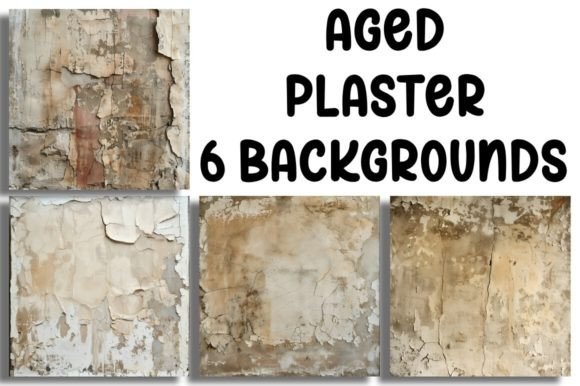
Imagine the walls of a centuries-old Italian villa or the facade of a Parisian apartment that has weathered countless seasons. That is the visual language spoken by these textures. We are talking about surfaces that have "lived." They possess a patina that only time can create—a complex interplay of micro-cracks, subtle color shifts, and uneven surfaces that catch the light in unpredictable ways. For the modern creative, this collection provides an immediate shortcut to vintage flair and historical depth without needing to travel the world or ruin a studio wall with actual plaster.
The Visual Personality of Aged Plaster
Understanding the aesthetic of this collection is key to utilizing it effectively. Aged plaster is characterized by its imperfect perfection. Unlike a flat, digital gradient, these backgrounds feature a "tooth" and a "grain" that add weight to your designs. The visual characteristics include:
- Subtle Chromatic Variation: You won't find a single hex code here. Instead, you will see warm ivories bleeding into soft greys, with hints of ochre or slate depending on the specific backdrop. This creates a high-resolution richness that feels organic.
- Tactile Depth: The shadows and highlights in the plaster crevices create a sense of depth. This is incredibly useful for digital art and compositing, as it allows foreground elements to "sit" within the image rather than floating on top of it.
- Architectural Elegance: There is an inherent sophistication to plaster. It suggests permanence, stability, and craftsmanship. It feels expensive and curated, which is a psychological trigger you can use to elevate the perceived value of your own work.
When you download this Aged Plaster Backgrounds set, you are getting six distinct variations of this personality. Some may be cleaner, suitable for web design where text legibility is paramount, while others might feature more aggressive distressing, perfect for artistic social media graphics or album covers.
Strategic Applications: Where Texture Meets Function
As a creative professional, your goal is to match the asset to the objective. These backgrounds are versatile design assets, but they excel in specific scenarios where atmosphere is required.
Branding and Packaging Design
If you are building a brand identity for a boutique hotel, a high-end skincare line, a bakery, or a heritage clothing brand, these textures are indispensable. They provide an immediate visual shorthand for "quality" and "tradition." Imagine a business card for a bespoke tailor using a soft, cream-toned plaster texture as the background. It instantly communicates the tactile nature of fine fabrics. In packaging design, using these textures on labels can differentiate a product on a crowded shelf, moving away from sterile white backgrounds toward something that feels handcrafted.
Editorial and Web Design
In editorial design, whether for a magazine layout or a blog post, these backgrounds serve as excellent "hero" images. They provide a neutral but engaging stage for typography. Because the texture is organic, it doesn't fight for attention the way a busy photograph might. It supports the hierarchy of your layout, allowing your headlines and body copy to remain the focal points while adding a layer of professional polish. For web design, they work beautifully behind "About Us" sections or testimonial sliders, adding warmth to a digital interface that might otherwise feel cold and clinical.
Digital Art and Photography
For photographers, particularly those in the portrait or fine art space, these textures are a compositing powerhouse. They can be used as overlays to add a painterly quality to images or as backdrops for studio shots that need a "location" feel. The high-resolution detail ensures that even when zoomed in, the cracks and nuances remain sharp, maintaining the integrity of your final print or digital display.
Integrating Texture with Typography
One of the most common questions regarding textured backgrounds is: "How do I ensure my text is readable?" This is where understanding modern typography and font pairing becomes critical. A busy background requires a confident typographic approach.
When using Aged Plaster Backgrounds, consider the following typographic strategies:
- Contrast is King: Pair the organic, irregular nature of the plaster with clean, geometric typefaces. A sans serif font with a tall x-height and uniform stroke width creates a beautiful counter-balance to the chaotic texture. Think of fonts like Montserrat or Futura; their clean lines stand out sharply against the rough plaster.
- Scale and Weight: Use bold weights for headlines. A thin, light font might get lost in the crevices of the texture. A heavy display font or a bold serif font can anchor the design. For body copy, ensure the text is large enough and perhaps use a slight drop shadow or a semi-transparent box to separate it from the background noise.
- Color Harmony: Look at the undertones of your chosen plaster texture. If it has warm, yellowish undertones, a dark charcoal or deep navy text will look softer and more integrated than stark black. If the plaster is cool grey, pure white text can look crisp and modern.
This collection is not just about the background; it is about how the background interacts with your other design assets. It forces you to think about composition and hierarchy, which ultimately leads to more thoughtful design.
Practical Guidance for Implementation
Before you integrate these textures into your workflow, a few practical considerations will help you get the most out of your investment. First, consider the licensing. If you are using these for client work—such as logo design mockups, packaging design, or commercial social media graphics—ensure you understand the usage rights. High-quality assets usually come with a license that covers commercial use, but it is always the mark of a professional to double-check.
Second, think about consistency. If you are using these textures for a series of social media posts or a set of marketing materials, choose one or two textures from the collection and stick to them. This creates visual cohesion across your campaign. You can desaturate the textures or adjust the hue in Photoshop to match your specific brand palette, ensuring that the "aged plaster" look becomes a signature element of your brand identity.
Finally, do not be afraid to mix mediums. These textures work exceptionally well when layered with other elements. Try overlaying a subtle paper grain or combining the plaster with a handwritten font to amplify the personal, human feel of the design. The goal is to create a sensory experience. When a viewer looks at your design, they should almost be able to feel the rough surface of the wall.
The Aged Plaster Backgrounds collection is more than just a set of files; it is a bridge between the past and the present. It allows you to bring the enduring charm of physical architecture into the limitless canvas of the digital world. Whether you are crafting a brand story, designing a magazine spread, or creating digital art, these textures provide the depth, history, and elegance that sophisticated audiences appreciate. Download the collection, experiment with the layers, and let the timeless beauty of the surface elevate your next project.