Industrial Elegance: Mastering Distressed Metal Backgrounds
The Raw Beauty of Weathered Surfaces
There’s a certain honesty to materials that show their age. A metal surface that has weathered storms, endured use, and developed a unique patina tells a story without words. This is the core appeal of Distressed Metal Backgrounds. They are not just textures; they are narratives of resilience, character, and authentic industrial history. For designers and creators, these backgrounds offer a powerful visual shorthand for strength, heritage, and raw sophistication. Moving beyond sterile digital perfection, they introduce a tactile, human element into your projects, instantly adding depth and a compelling point of interest.
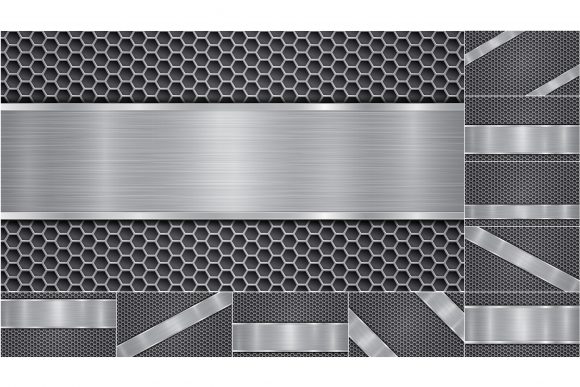
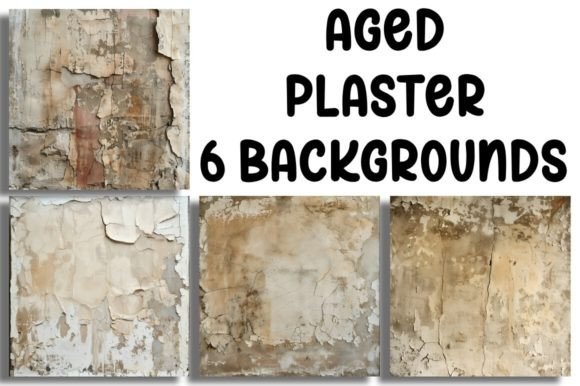
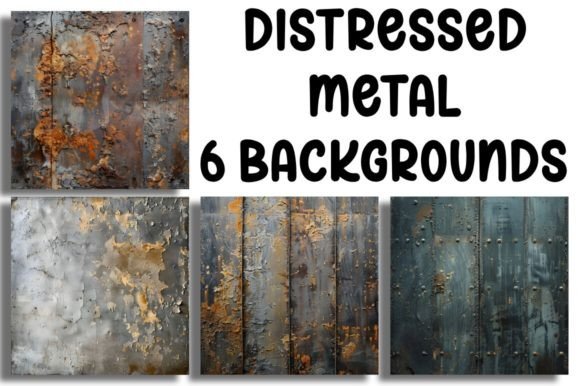
Visually, a high-quality distressed metal background is a symphony of nuanced detail. You’ll find the subtle gradient of rust—burnt orange fading into deep brown—alongside the cool, steely blues of aged galvanized metal. Scratches, dents, and worn rivets aren’t flaws; they are features that provide texture and guide the eye. The surface might be a patchwork of corrosion and clean metal, creating a dynamic contrast that is both rugged and unexpectedly elegant. This aesthetic personality is versatile: it can feel gritty and urban, or it can evoke a refined, vintage workshop ambiance. It’s a style that complements modern minimalism by providing a bold anchor, and it enhances vintage or rustic themes with authentic material credibility.
Where This Texture Truly Shines: Practical Applications
The strength of Distressed Metal Backgrounds lies in their adaptability across a wide spectrum of creative and commercial projects. They are a secret weapon for adding instant impact and a curated, professional feel. Here’s where they work exceptionally well:
- Brand Identity & Logo Design: For brands in sectors like craft brewing, motorcycle gear, artisan tools, or rugged apparel, these textures can form the foundation of a logo or brand pattern. They communicate durability, craftsmanship, and a no-nonsense attitude. When used as a background for a logo, they make the mark feel grounded and substantial.
- Web Design & Digital Presence: As a website hero background, a subtle distressed metal texture can set a powerful tone without overwhelming content. It’s particularly effective for construction company sites, portfolio pages for industrial designers, or any online presence that wants to project strength and reliability. It adds a layer of sophistication that flat colors cannot achieve.
- Marketing & Social Media Graphics: In the fast-scroll environment of social media, these backgrounds stop the eye. Use them for quote graphics, promotional banners, or product mockups. A poster for a music event or a sale announcement for a hardware store gains immediate visual authority and a distinct, recognizable style. The texture ensures your graphics aren’t just seen, but felt.
- Editorial & Packaging Design: In magazine layouts or book covers, a distressed metal panel can create stunning section breaks or feature titles. For packaging—think hot sauce, coffee, or specialty tools—it instantly communicates the product’s essence: robust, authentic, and high-quality. It transforms packaging from a container into a piece of the brand story.
Integrating Texture with Purpose: A Designer's Guide
Simply dropping a texture onto a canvas isn’t enough. The real skill lies in integration. To leverage Distressed Metal Backgrounds effectively, consider how they influence your overall design system.
Visual Hierarchy & Readability: The busyness of the texture is your primary consideration. For text-heavy applications, opt for backgrounds with larger areas of relative calm or apply a semi-transparent overlay (like a dark gradient or a color wash) to create a stable field for your typography. Pair bold, clean sans-serif fonts—like a modern grotesque—with the intricate detail of the metal. The contrast between the sharp, precise letterforms and the organic, rough background creates a compelling visual tension. Avoid overly decorative script or handwritten fonts directly on a busy texture, as they will compete for attention and reduce legibility.
Brand Perception & Consistency: Using these textures consistently builds a powerful brand language. A series of social media posts all using a similar distressed metal backdrop from the collection creates instant recognition. It tells your audience, "This is our aesthetic. We are robust and authentic." When selecting a specific background from the set, match its color palette and level of wear to your brand’s personality. A cooler, blue-gray steel might suit a tech-focused industrial brand, while a warmer, rusted tone fits a heritage craft business.
Practical Selection & Pairing: When evaluating the collection, download and test the backgrounds in your actual project files. Zoom in to appreciate the high-resolution detail—every scratch should be crisp. Consider how the texture interacts with your other design assets. Does it complement your logo? Does it clash with your secondary color palette? A great practice is to create a "mood board" pairing the metal texture with your chosen typefaces, color swatches, and imagery. This ensures cohesion before you commit to a final design.
Finally, always be mindful of the project’s context. A distressed metal background is a statement. It works best when that statement aligns with the message you’re conveying. For a legal firm’s letterhead, it might be too strong. For a startup building rugged outdoor gear, it’s perfect. By viewing these backgrounds not as mere decoration but as integral components of your narrative, you unlock their full potential to create work that is visually arresting, emotionally resonant, and unmistakably professional.